
2 – 7 February
Masculine hypocrisy takes a witty battering in Laura Wade’s stylish adaptation of this Somerset Maugham classic. The original play, first performed in 1926, shocked London audiences with its clear-eyed vision of marriage as an economic contract. Modern audiences are more likely to give a nod of approval to the serious message that underlines the comedy. But the play retains its power to move and disturb in its stark dramatization of sexual double standards.
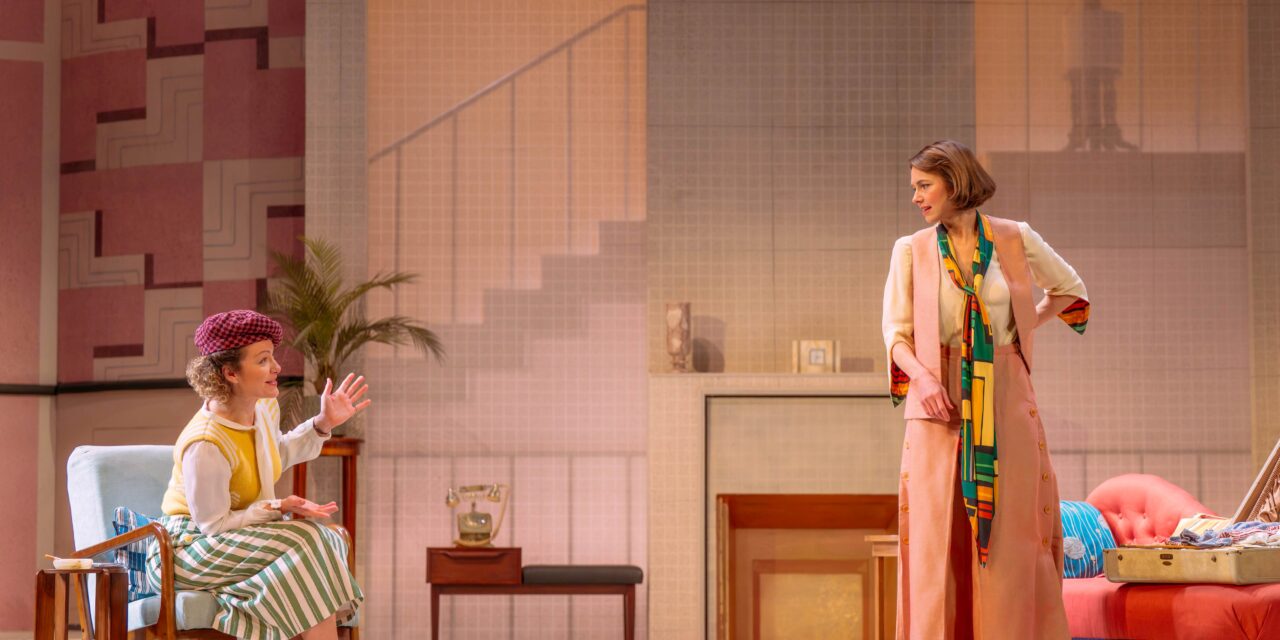
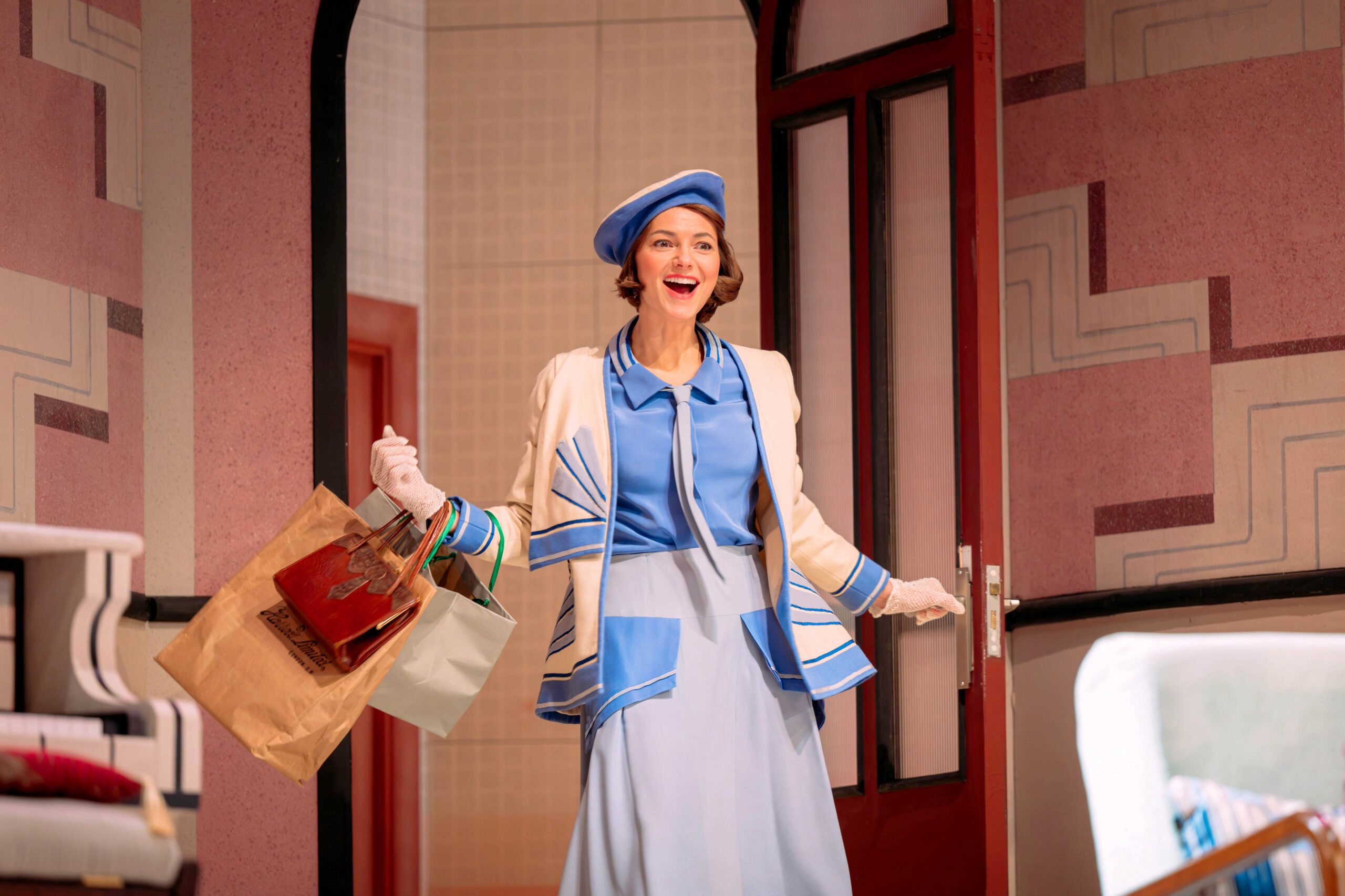
Tamara Harvey’s touring production for the Royal Shakespeare Company is a feast for the eyes. Constance Middleton, determined to become financially independent of her wealthy surgeon husband, John, chooses to follow her natural talents, setting up in business with her sister as an interior designer. Her own home becomes her showroom, the imaginary and the real converging in Anna Fleischle and Cat Fuller’s elegant set and costumes. The comfortable light-filled space is reassuring, hinting at the world of the early twentieth century well-made play. Characters glide past a transparent wall before entering the pastel themed drawing room, a perfect setting for the glorious 1920s costumes. With several nods to the 21st century, these look as fresh as if they’d walked off our streets yesterday, even as the moody jazz piano conjures the world of the bright young things. Despite the butler, the over-sized telephone and the references to the war, this feels very much like a play for today, albeit a wealthy upper middle-class segment of today.
The show’s heart is Kara Tointon’s charismatic and lovable Constance. She is a delight to watch, graceful and vulnerable, weeping at her daughter’s departure to private boarding school, while remaining a hard-nosed realist, managing to remain cool through a year of her husband’s infidelity. Her timing is pitch perfect with some delicious dramatic moments, as when she hurls her handkerchief onto the piano to warn her mother to leave the room so she can be alone with her desirable male friend, only for her mother to misinterpret the melodramatic gesture. It’s easy to see Maugham’s debt to Wilde.
Tointon is supported by a strong cast, particularly Sara Crowe as her mother and Amy Vicary-Smith in a heightened role as her unmarried sister. The sizzling family chemistry is a delight. Gloria Onitiri adds a flash of outside excitement as Marie Louise, though her interpretation of the role of the mistress feels at times histrionic. The men, true to the script, are very much secondary players, almost wooden in contrast with the vibrant women.
Wade has made subtle changes to the original version, maintaining the comic moments and verbal acuity, while emphasising the underlying theme. Where Maugham uses consecutive time, she gives us a flashback, showing the actual infidelity, thus cutting back on the wordiness of the script. She also plays with the ending, making the main character more likable for a modern audience. It’s a tiny last-minute tweak, creating a degree of uncertainty about Constance’s future conduct. In so doing, Wade softens her brittle edge which, critic and biographers agree, may have been coloured by Maugham’s own experience of an unhappy marriage. Purists might baulk at this, but the message of the play remains. Financial independence is key, and the fight for sexual equality continues.
★★★★☆ Ros Carne 3 February 2026
photographers credit @ Mihaela Bodlovic