
12 – 14 February
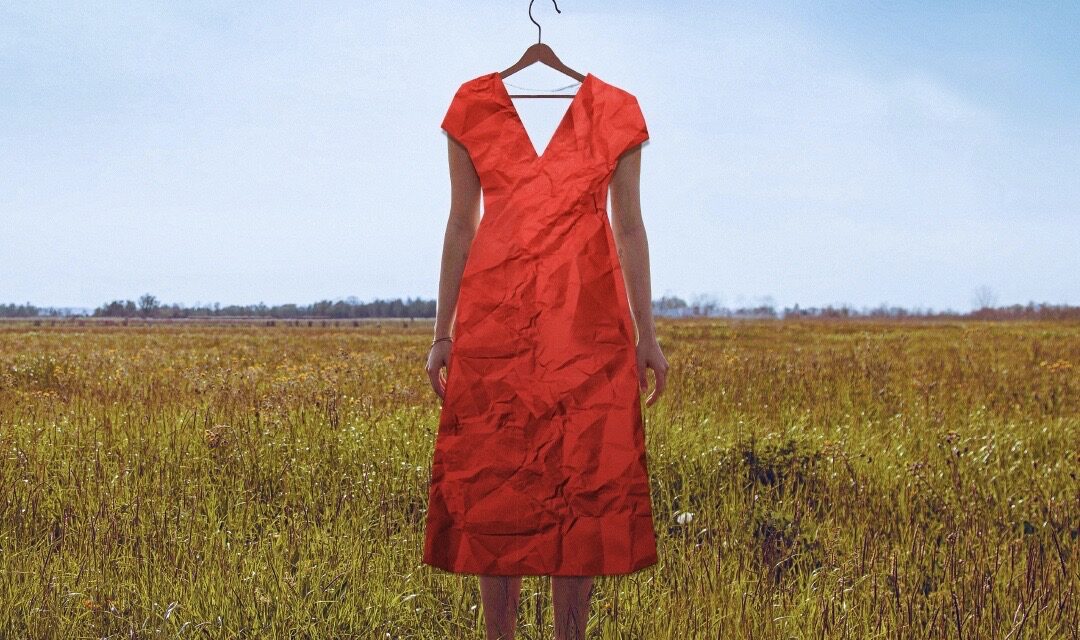
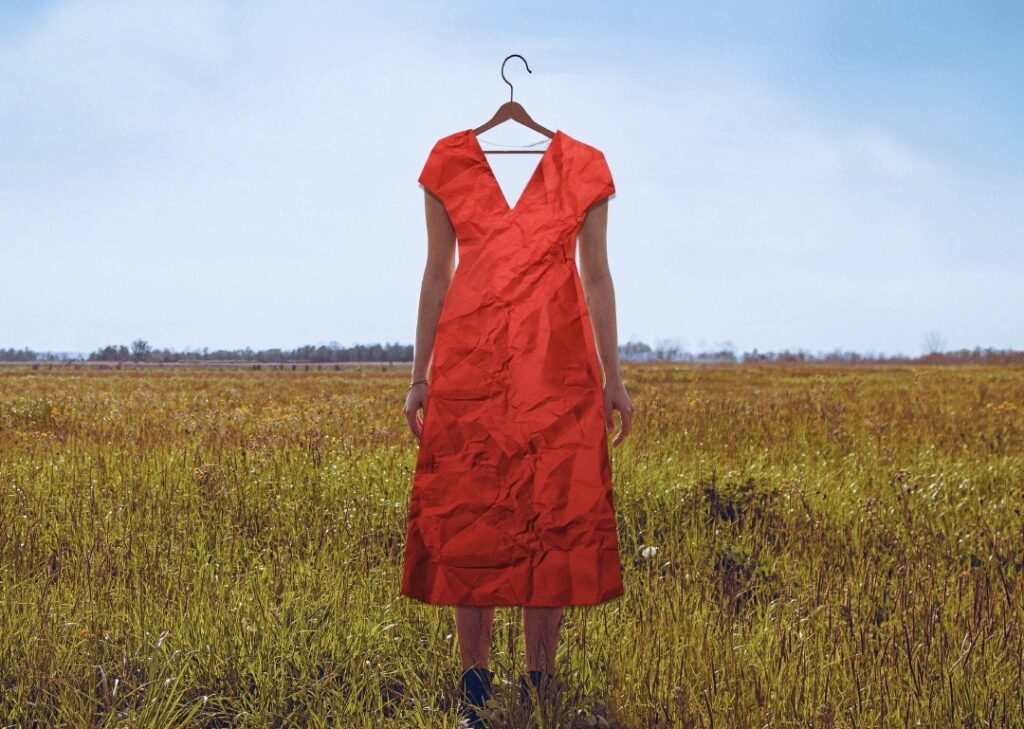
A dress hangs suspended. A cluster of kitchenware sits marooned on its own small island. A suitcase, fragments of artwork, domestic remnants. These are not clichés of womanhood but markers of labour, migration, care and self-fashioning. From the outset, writer Eva Hudson’s Life Before You, directed and produced by Roisin McCay-Hines, positions identity as something assembled, inherited, and at times painfully shed.
Hudson’s play follows Gráinne, (Hayley-Marie Axe), who leaves Ardoyne, Belfast, for England in pursuit of opportunity for her daughter, and because she is told, bluntly, to run. Pregnant and unmarried, her own mother’s warning carries the weight of public shame and inherited fear. Eimear, (Georgia Alexandra), grows up to inhabit that opportunity with increasing distance. The opening dual monologue is arresting. Birth is described as rupture and devotion in the same breath. “I am your mummy. I’ll be your best friend.” The bond is fierce, romantic, almost overwhelming in its intensity. What the play never loses sight of is that this relationship begins in love.
The early years are rendered through a tightly directed montage that feels genuinely lived-in. We see the shared jokes, the intimacy, the sense that the world is navigable because they are doing it together. Only gradually does the air thin. Eimear leaves for art school. She changes her name. She paints her mother obsessively, then fractures her image into something dismembered and distorted. Gráinne feels the shift before she can articulate it.
Class and Northern Irish identity are not decorative themes but structural pressures. Migration is defined by menial long hours and the quiet erosion of self. Beneath that lies transgenerational trauma: a legacy of shaming passed from mother to daughter, shaping how Gráinne sees herself and how fiercely she vows not to repeat history. One of the most powerful sequences recalls her own mother being publicly humiliated, stripped and tarred and feathered, a brutal image of communal punishment that lodges in the body. The memory reverberates forward, explaining the panic, the control, the terror of being seen as “wrong”. The play understands that inherited fear does not disappear simply because circumstances change.
The strand dealing with menopause and women’s healthcare is fully woven into this fabric. Gráinne’s symptoms are not treated as comic shorthand but as destabilising physical reality. The production’s sound and lighting design are exceptional here. Glitching light strips, flickers and sudden darkening mirror the internal disorientation. A deep, creaking, almost submarine soundscape rolls under the action, like a hull straining under pressure. It evokes something bodily and elemental without tipping into caricature. When Gráinne demands HRT, it lands as both medical frustration and a plea to remain visible.
There are striking moments of theatrical invention. A supermarket scene in which Gráinne imagines her husband’s global lovers sees Alexandra morph through characters with impressive agility. A ‘Menny P’ comrade, General Fenella, brings wit and warmth without undercutting the seriousness of the subject. Scrabble scenes punctuated by the relentless tick of a clock capture the fear of losing one’s own mother even while pushing one’s daughter away.
Axe gives a performance that is volatile, tender and deeply human. She allows Gráinne’s anger to coexist with vulnerability, never reducing her to martyr or villain. Alexandra brings clarity and physical intelligence to Eimear, capturing both her ambition and her guilt. The chemistry between them makes the final exchanges feel earned rather than declarative. The play did run closer to ninety minutes than the advertised seventy-five, and the central section could be tighter. A few transitions lose momentum and there are stretches where the emotional temperature dips. Yet the core relationship retains its charge.
On Thursday night, the Ustinov audience was rapt. The silences during the most painful confrontations were thick, and the applause at the end was generous and sustained. The play’s title is its quiet provocation. There was a life before you. There will be one after. The space in between is where this story burns.
★★★★☆ Tilly Marshall, 13 February 2026
Photography credit: Craig Fuller