30 September – 4 October
We think we know a lot about the Mitford sisters. Dramatizations of Nancy’s sparkling novels have proved hugely popular, and there have been numerous documentaries and books. But Amy Rosenthal’s meticulously researched and shocking new play had me vowing to check out the sister’s own autobiographies and letters.
The action commences in 1932 in the family’s chilly, rambling Oxfordshire home, time and location- hopping to wartime Washington DC and California, and then on to 1969 Versailles where the eldest, Nancy, lies near to death. Directed by Richard Beecham, the cast of six captures the intimate sibling chemistry, hinting at the outset at the stark personality differences which were to explode into a major private and public rift between the Fascist, Diana, the Nazi, Unity and their Communist sister, Jessica.
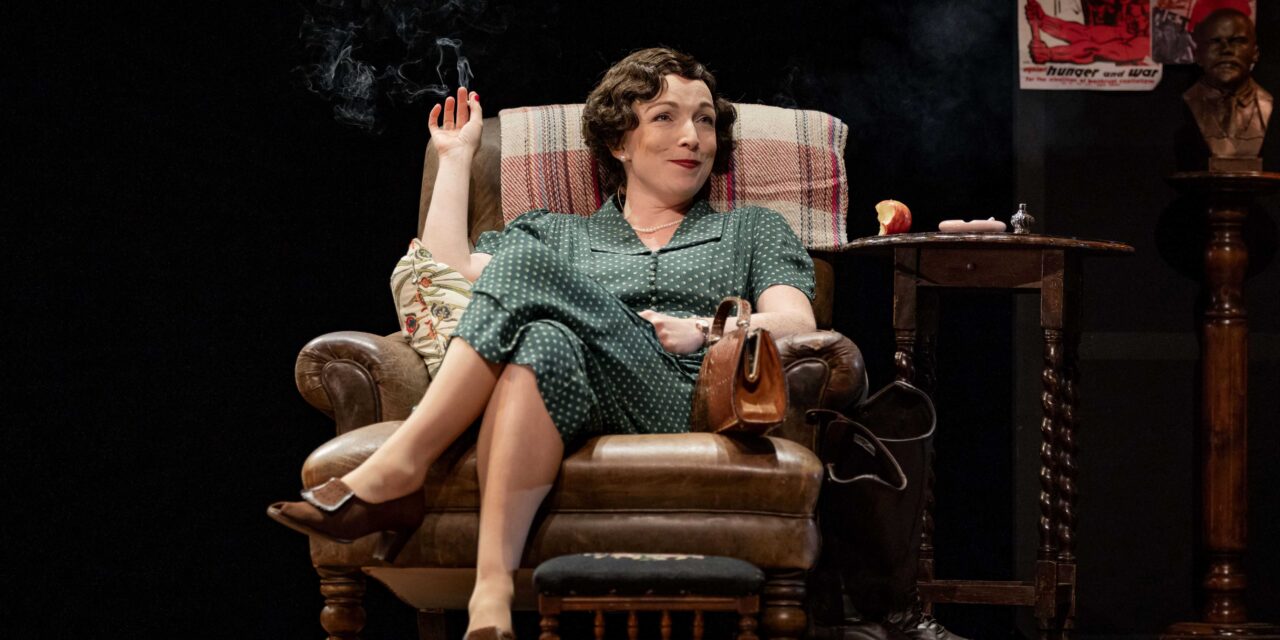
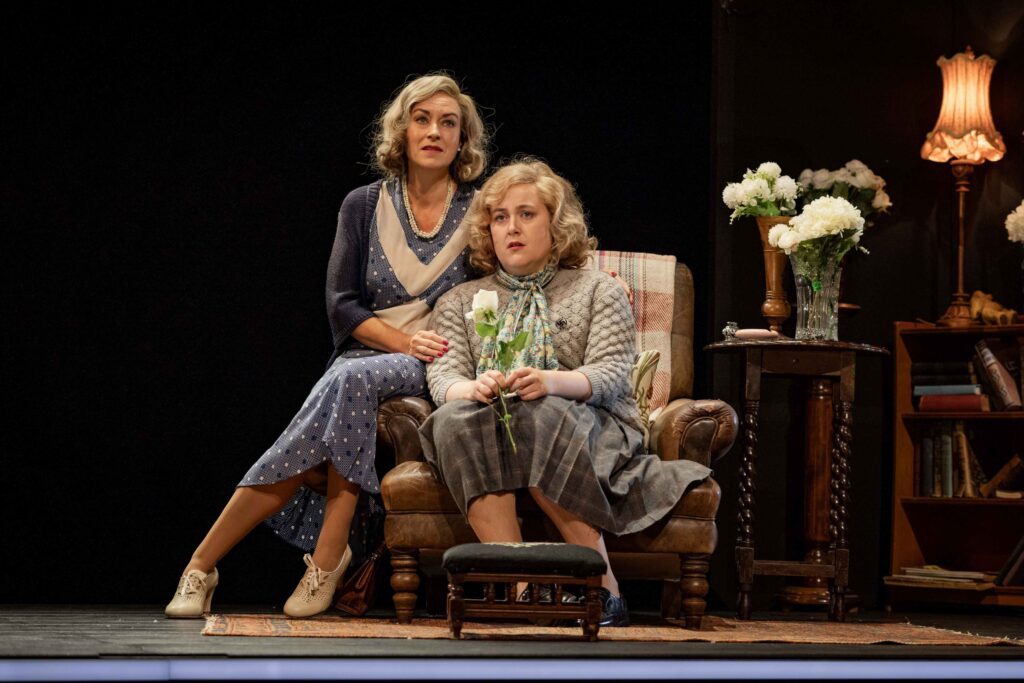
Kirsty Besterman plays Nancy, the writer and observer, cool, acerbic and elegant, yet endlessly loyal despite her disgust at her sisters’ politics. She is well matched by Elisabeth Dermot Walsh as the beautiful Diana, devoted to her Fascist husband, Oswald Mosley, refusing to recant from her own vile views after the war, yet capable of great personal affection. Emma Noakes plays Jessica, the lynch pin of the drama, fleeing her notorious family to become a Communist, marrying a radical New York Jew (Joe Coen) while continuing to be shadowed by her family’s virulent antisemitism. Noakes shows her over the course of 30 years as a brave pioneer, struggling with her inner demons. The youngest, Debo (Flora Spencer-Longhurst) is the happy one, simpler by nature, comfortable inside her class, marrying the Duke of Devonshire and never ceasing in her attempt to hold the family together.
But it’s the Devil who has the best tunes and there are powerful and disturbing moments featuring mad, bad Unity (Ell Potter) striding across the Oxfordshire drawing room in her black shirt, giving a Nazi salute, hurling Jessica to the floor or later, in Munich, aiming her pearl handled pistol at her own head and pulling the trigger. Yet though she becomes the more fanatical of the two arch reactionaries, it is level-headed Diana’s steady support for the Nazis that is the most chilling.
Rosenthal has taken on a huge plethora of themes and facts and managed to hone them into a working drama. As with all plays based on life, its very scope gives rise to structural problems, in particular the episodic nature of the action. The first part of the play feels jumpy and the distinctive characters of the sisters, while always credible, seem occasionally cartoonish. But any play about the Mitfords should not lack wit and humour and Rosenthal’s script has plenty of both, though those seeking debutante balls and society chit chat will be disappointed.
The drama reaches its peak in a powerfully imagined final encounter between Jessica and Diana in which Jessica confronts her elder sister with the horrors of the ideological route she has chosen. There follows the culmination of her own long struggle to escape the narrow snobbery and racism of her family and class in order to marry the man she loves.
Jessica’s love story lies at the core of this fascinating play, offering a glimmer of hope for a better world. At a time when the forces of reaction are gathering once more, both here and abroad, it’s a play with a resonance far beyond the history of one eccentric English family.
★★★★☆ Ros Carne 1 October 2025
Photography credit: Mark Senior